
سيارة الدوارة جهاز التحكم عن بعد
وفر 17%! اشترِ سيارة الدوارة جهاز التحكم عن بعد بسعر 450 د.ل فقط في ليبيا. متوفر
🛒 تسوق الآن Libya Press
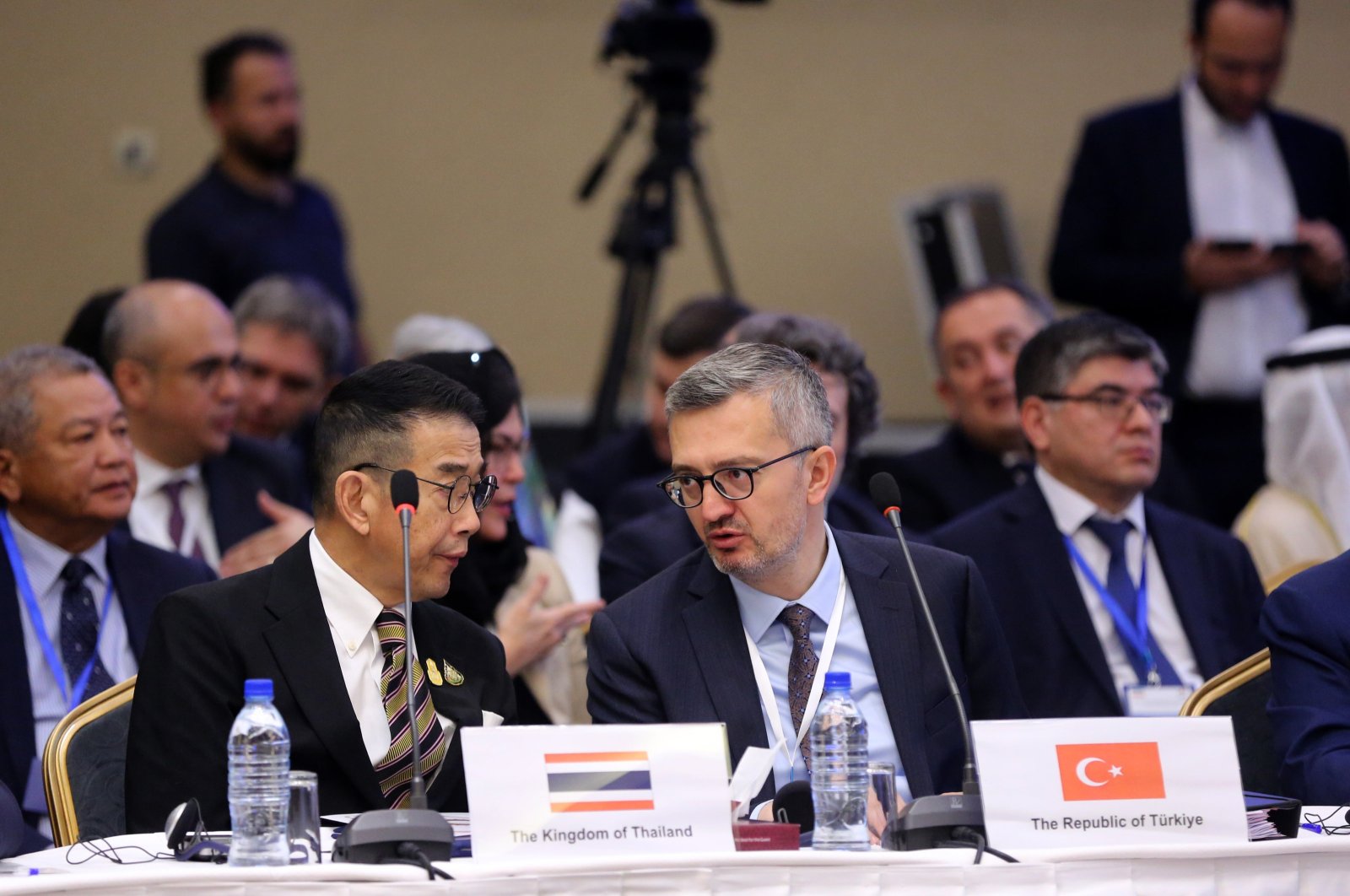
The Head of Libya's High Council of State (HCS), Mohammed Takala, met on Sunday with Turkey's Director General for North and East Africa, Ali Onaner, to review the council's roadmap for addressing the country's deepening political crisis. The meeting, held at HCS headquarters in Tripoli, brought together senior Libyan and Turkish officials at a critical juncture for Libya's stalled transition.
First Deputy Speaker Hassan Habib, Second Deputy Speaker Mousa Faraj, and Turkey's Ambassador to Libya, Guven Begec, also attended the talks. The discussions covered bilateral relations, regional developments, and — most critically — the HCS's vision for navigating Libya through its prolonged institutional deadlock.
According to an HCS statement posted on Facebook, Takala outlined the council's strategy for dealing with Libya's current challenges. He stressed the importance of supporting efforts aimed at achieving stability and reaching a comprehensive national consensus that would bring the country's transitional phases to an end.
The HCS vision centers on bridging institutional divisions that have split Libya between rival governments in Tripoli and the east. The council has repeatedly called for unified institutions as a prerequisite for holding national elections — a goal that has remained elusive since the collapse of the 2021 electoral process.
Turkey remains one of the most influential external actors in Libya. Ankara was a key supporter of the Tripoli-based Government of National Unity during the 2019–2020 conflict, and its military presence helped shift the balance of power. Since the 2020 ceasefire, Turkey has maintained diplomatic and economic engagement while positioning itself as a mediator in Libya's political process.
"Onaner reaffirmed Turkey's commitment to Libya's stability and its full support for all consensus-based political tracks that contribute to strengthening security and national sovereignty," the HCS statement said, praising the council's efforts in this regard.
For ordinary Libyans, the meeting represents another signal that international actors are actively engaged in pushing for a political resolution. Yet the gap between diplomatic talks and on-the-ground reality remains wide. Libya continues to operate with rival executive authorities, a divided central bank, and no agreed constitutional framework for elections.
The HCS, based in Tripoli, is one of three key political bodies alongside the House of Representatives in Tobruk and the Presidential Council. Consensus among these institutions has been the stated goal of the UN Support Mission in Libya (UNSMIL) and multiple international partners — but progress has been painfully slow. The UN mission chief recently lamented the lack of progress toward elections, and an April 2026 UN expert report criticized Libyan authorities for continued political division.
Turkey's willingness to engage directly with the HCS on its political vision could add momentum to efforts to break the deadlock. But as previous rounds of diplomacy have shown, international backing alone cannot resolve Libya's crisis without genuine political will from Libyan leaders themselves.
The meeting fits into a broader pattern of intensified diplomatic activity around Libya in June 2026. The African Union's Peace and Security Council is scheduled to brief on Libya, and the UN's Structured Dialogue governance track recently called for a unified authority and a ban on officials running for office.
For Takala and the HCS, the challenge now is to translate international support into concrete steps toward elections and institutional unity. For Libyans weary of more than a decade of division, the hope is that this time, the diplomatic momentum will lead somewhere real.
— LibyaPress / Politics Desk