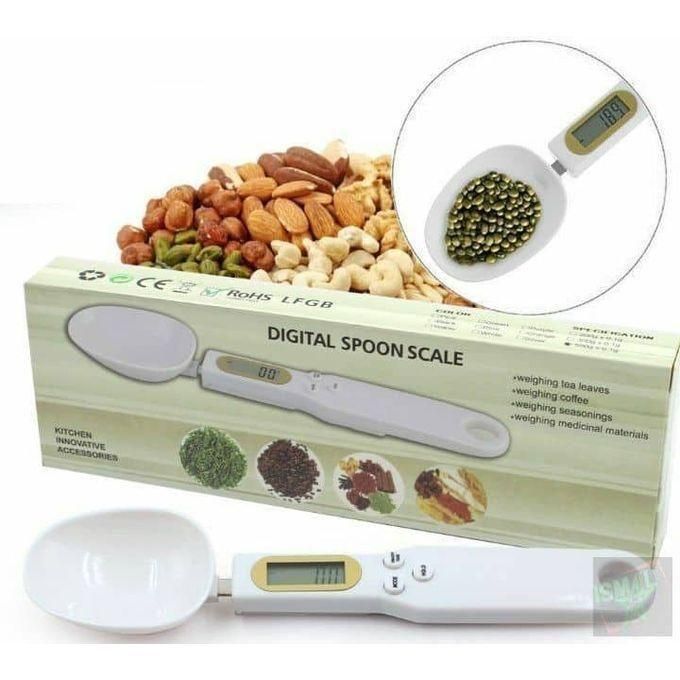
ملعقة إلكترونية ميزان
وفر 23%! اشترِ ملعقة إلكترونية ميزان بسعر 268 د.ل فقط في ليبيا. متوفر حالياً، ال
🛒 تسوق الآن Libya Press
Tanzania's edible oil import bill nearly tripled in one year — from $228.4 million to $659 million in 2025. That figure pushed the government into action. On June 11, 2026, Finance Minister Khamis Mussa Omar announced sweeping tax reforms before Parliament, designed to transform Tanzania from a net importer into a self-sufficient cooking oil producer starting in fiscal year 2026/2027.
The reform's centerpiece is a full VAT exemption for edible oils from locally grown oilseeds, lowering production costs for domestic manufacturers. The government also introduced a 10% import duty on all crude edible oils — including crude palm oil, previously exempt. Imported refined oils continue to face tariffs of 35% or $300 per ton. Omar explained the crude oil tariff targets traders who exploited the palm oil exemption to import semi-refined products.
Minister Judith Kapinga revealed on May 22 that Tanzania has 1,604 edible oil processing industries with a combined capacity of 2.5 million tonnes annually, creating 47,171 direct and indirect jobs. Yet domestic production stands at only 302,000 tonnes per year against national demand of approximately 700,000 tonnes — forcing Tanzania to import around 430,000 tonnes annually.
Permanent Secretary Gerald Mweli stated in Dodoma: "Tanzania has the capacity to become self-sufficient in cooking oil. We need approximately 2 million hectares for sunflower cultivation, up from 1.2 million." COPRA's Irene Mlola projected that eliminating 339,000 tonnes of annual imports by 2035 would save $200 million in foreign exchange, while exports of 406,000 tonnes could generate over $1.37 billion.
Tanzania's strategy offers lessons for Libya and North Africa. Libya's Mediterranean climate and arable land in the Jifara Plain and Jebel Akhdar could support sunflower and olive cultivation. Tanzania's model — VAT exemptions for local producers, protective tariffs, and processing infrastructure investment — provides a replicable blueprint. As global edible oil prices remain volatile, countries building domestic capacity will be better positioned to ensure food security.
Tanzania's reforms signal a broader trend across East and North Africa toward agricultural self-sufficiency. With the African Union's CAADP pushing states to allocate 10% of budgets to agriculture, edible oil production has become a priority. Neighboring Kenya, Uganda, and Ethiopia will closely watch Tanzania's progress. If 2035 targets are met, Tanzania could become East Africa's largest cooking oil exporter, reducing the continent's $3 billion annual import bill.
— LibyaPress / Economy Desk