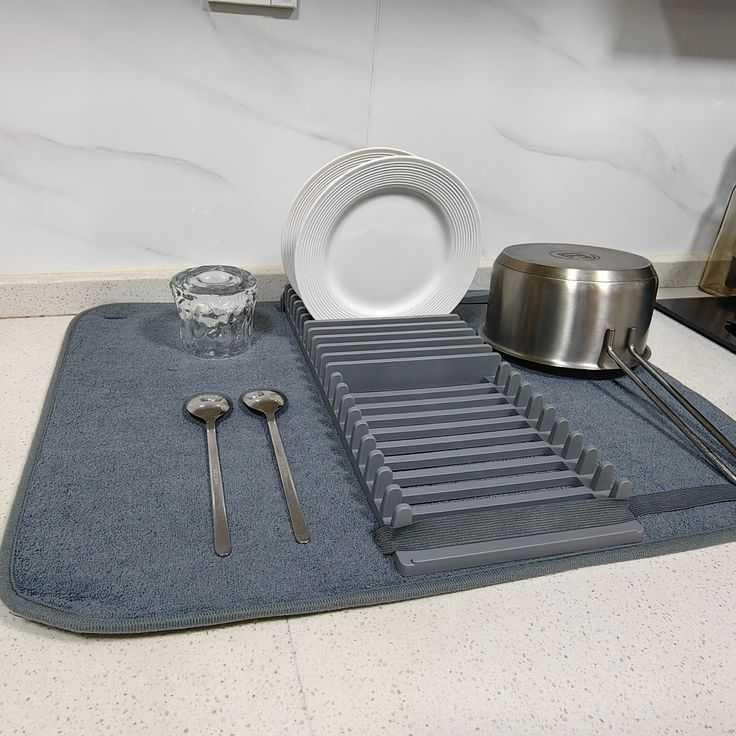
وسادة تجفيف الأطباق للمطبخ
وفر 27%! اشترِ وسادة تجفيف الأطباق للمطبخ بسعر 180.48 د.ل فقط في ليبيا. متوفر حا
🛒 تسوق الآن Libya Press
The Faculty of Medicine at the University of Tripoli has confirmed the death of fourth-year medical student Ghassan Al-Kahili, who suffered a cardiac arrest shortly after finishing his Family and Community Medicine examination on July 25, 2026. The tragedy has sent shockwaves through Libya's academic community and sparked urgent calls for an investigation into exam conditions.
According to the Faculty of Medicine Registrar's Office, Al-Kahili completed his exam and left the examination hall before the faculty was later informed of his death outside the university campus. The statement expressed deep sorrow and extended condolences to his family, classmates, and faculty members.
The Libya Doctors platform reported that the examination was delayed from 9:00 a.m. until 11:00 a.m., forcing students to wait outside the halls for two hours amid high temperatures. It also noted that the examination halls were not air-conditioned, raising questions about whether the conditions contributed to the student's sudden cardiac arrest. July in Tripoli typically sees temperatures exceeding 35°C, with heatwaves becoming more frequent across North Africa.
So far, no official authority has issued a statement directly linking Al-Kahili's death to the exam conditions. The University of Tripoli has limited its response to a formal condolence. However, the lack of a definitive statement has done little to calm widespread anger on social media, where students and the public have called for a transparent investigation into conditions inside examination halls during the summer heatwave season.
This incident has reignited long-standing concerns about the state of Libya's medical education infrastructure. Years of underinvestment, intermittent electricity supply, and lack of basic amenities such as functional air conditioning have plagued public universities. Medical students in particular face grueling academic schedules under conditions many argue are unfit for safe learning.
Libya's healthcare sector has struggled since 2011, with medical schools facing shortages of equipment and adequate facilities. The death of Al-Kahili has become a rallying point for students demanding better conditions, with many sharing testimonies of overcrowded halls and exams conducted during peak summer hours without ventilation.
Tributes have poured in for the 25-year-old student, described by classmates as ambitious and hardworking. Social media posts mourned the loss of a promising future doctor, with many highlighting the tragedy that a student training to save lives died under conditions that could have been prevented. The hashtag #Ghassan_AlKahili has been trending on Libyan social media, with thousands sharing prayers and demands for accountability.
Student unions and civil society organizations have called on the Ministries of Higher Education and Health to launch a joint investigation. The Libya Doctors platform has specifically demanded that exam schedules take seasonal heat into account and that all exam halls be equipped with functioning air conditioning. Medical education experts note that heat stress can significantly affect cardiovascular health, particularly in individuals with undiagnosed conditions.
As Libya continues to rebuild its institutions, the death of Ghassan Al-Kahili serves as a somber reminder that the quality of educational infrastructure has direct consequences — not just for academic outcomes, but for the safety and wellbeing of students themselves.
— Libya Press / Health Desk